
From News Desk
Filipino design studio Plontur Group takes the global stage, winning the Leisure-Led Development category at the World Architecture Festival 2025 for Luana Farms in Calaca, Batangas. One of only two Philippines-based firms recognized this year, Plontur’s win affirms the potential of local designers to shape international design discourse.
Land as a Design Intelligence
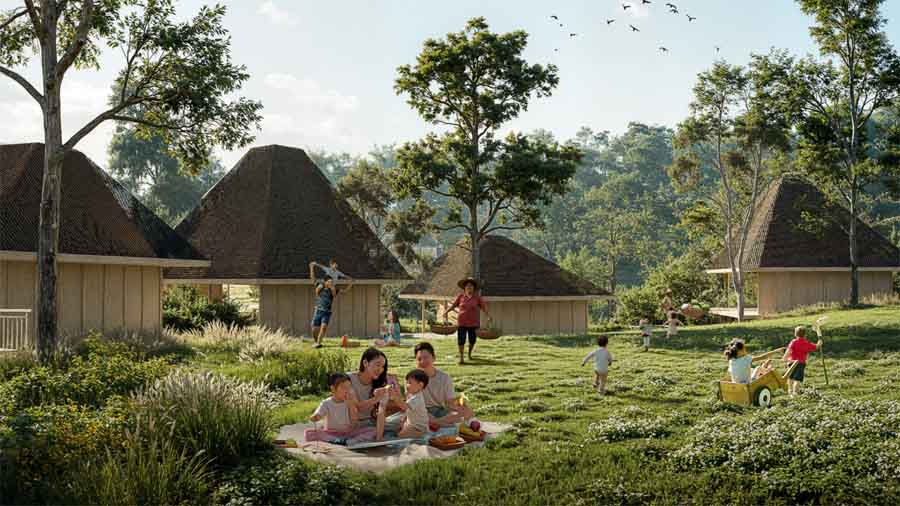
In a global competition, Plontur’s landscape-led project from the Philippines stood out by holding firm to the studio’s belief in attuning to the landscape rather than imposing on it. Luana Farms demonstrates that land can be a form of design intelligence, not a limitation, exemplifying a nature-led philosophy where the land itself shapes circulation, spatial organization, building orientation and programme; all resulting in a beauty that emerges organically from how the landscape is understood, respected and integrated into the design.
Global Credibility, Local Significance
Plontur’s approach challenges conventional development in a rapidly urbanizing country, where land is often cleared, flattened and overwritten. Luana Farms offers a counterpoint. At Luana, farming is sustained rather than displaced; and open landscapes are treated as primary areas, not leftover space. Design restraint becomes deliberate strength, amplifying what already exists and allowing productivity, ecology and daily life to coexist and serve as active contributors to the project’s identity.
The project began with a simple question viz., what if nature invites people in before architecture ever has to? This mindset shapes a design where buildings emerge gently from the terrain, where thresholds replace gates, and where paths, terraces, and open spaces follow land logic instead of overriding it. At its core is a radical yet simple philosophy: let the land lead. Beyond its aesthetic achievement, Luana Farms exemplifies Plontur’s approach of respecting, integrating, and activating the natural environment, raising a broader question about how designers should choose shape land moving forward.
 News and Opinions...