
From Opinions Desk
Archana Verma
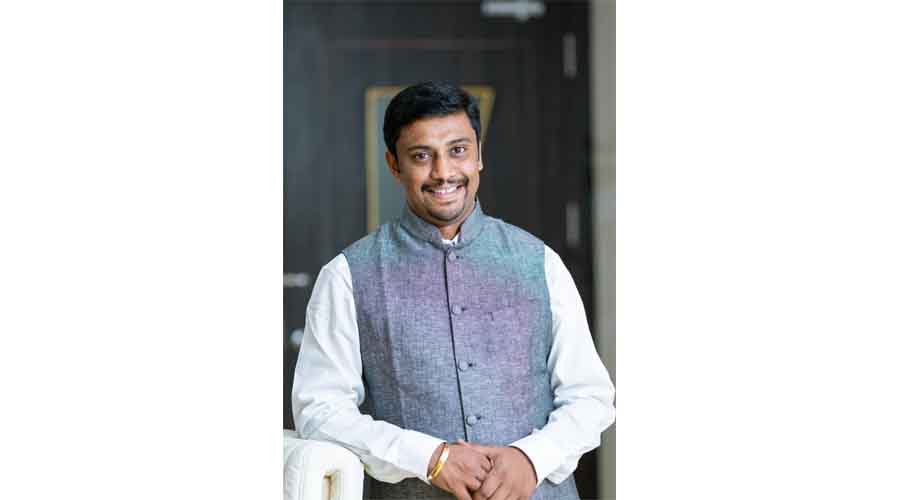
SP Saju Bhaskar, Founder & President, Texila American University talks about the growth of medical education in Guyana
How are accreditation trends reshaping Caribbean medical education?
Accreditation has become a central force driving quality and credibility in Caribbean medical schools. Institutions like Texila American University (TAU) have proactively obtained accreditation from globally recognised bodies such as the Caribbean Accreditation Authority for Education in Medicine and Other Health Professions (CAAM-HP) and the Accreditation Commission on Colleges of Medicine (ACCM). These credentials not only affirm academic standards but also allow graduates to sit for licensing exams like the USMLE, MCCQE and relevant screening tests in India and elsewhere.
The rise of offshore medical schools in the Caribbean from the mid-1970s onward prompted regional and international agencies to act. The establishment of CAAM-HP in 2003 provided a formal mechanism to uphold quality standards across CARICOM countries. Accreditation by CAAM-HP is now recognized by the U.S. Department of Education’s NCFMEA as being comparable to U.S. standards.
In essence, rigorous accreditation ensures institutional accountability, boosts international recognition, promises smoother career pathways for graduates, and elevates the overall standing of Caribbean medical education globally.
Why is Guyana becoming a hub for global medical aspirants?
Guyana is increasingly seen as a prime destination for international medical students thanks to several compelling advantages.
First, tuition is significantly lower than in North America or Europe, making it an attractive option for students seeking high-quality, cost-effective medical training. Second, leading institutions in Guyana, including TAU, offer state-of-the-art simulation labs and well-equipped campuses, backed by experienced faculty. Third, global accreditation and recognition ensure that students can pursue residency and licensing programs worldwide.
In addition, programmes often include clinical rotations in the U.S. and other countries, giving students valuable international exposure. Guyana’s government has also positioned the country as an educational hub, adding to its appeal for medical aspirants across the globe.
Together, these factors position Guyana; and TAU in particular; as a strong hub for aspiring medical professionals aiming for global careers.
On aligning medical curricula with international healthcare needs
Texila American University is a prime example of an institution aligning its curricula to serve global healthcare demands.
Its MD program is structured in accordance with U.S. standards, including preparation for the USMLE Step 1 and 2, ensuring seamless integration into North American medical systems. The university also offers diverse pathways such as a five-year MD and a four-year graduate entry programme, accommodating students with different academic backgrounds. Strong emphasis on clinical training, both locally and abroad, ensures that students are well-prepared for residency and professional practice.
Alongside this, the university integrates soft skills, leadership development, and research opportunities into its curriculum, reflecting its ethos of “bringing education to life.” This approach ensures students are adaptable and capable of responding to evolving global healthcare challenges.
On the evolution of offshore medical education in the Caribbean
The landscape of offshore medical education in the Caribbean has undergone significant transformation over the past five decades.
Initially, offshore schools emerged in the 1970s to serve students, mostly from the US and Canada, who couldn’t gain admission to domestic programmes. Over time, the number of institutions grew rapidly, with some Caribbean nations now hosting one of the highest densities of medical schools per capita in the world. While several established providers maintain strong academic reputations, the rapid growth also led to variations in quality and transparency. The introduction of the ECFMG’s 2023 requirement that applicants must graduate from a formally accredited school, has been a turning point, driving institutions to secure recognised accreditations such as CAAM-HP and ACCM. Today, despite concerns around commercialization, offshore schools contribute significantly to the physician workforce in North America and beyond, with Caribbean-trained graduates now filling more U.S. residency positions than many domestic schools. This evolution reflects a journey from loosely regulated, demand-driven institutions toward more structured, accredited and globally integrated medical education models.
Disclaimer – The details expressed in this post are from the companies responsible for sending this post for publication. This website doesn’t endorse the details published here. Readers are urged to use their own discretion while making a decision about using this information in any way. There has been no monetary benefit to the Publisher/Editor/Website Owner for publishing this post and the Website Owner takes no responsibility for the impacts of using this information in any way.
 News and Opinions...