
From News Desk
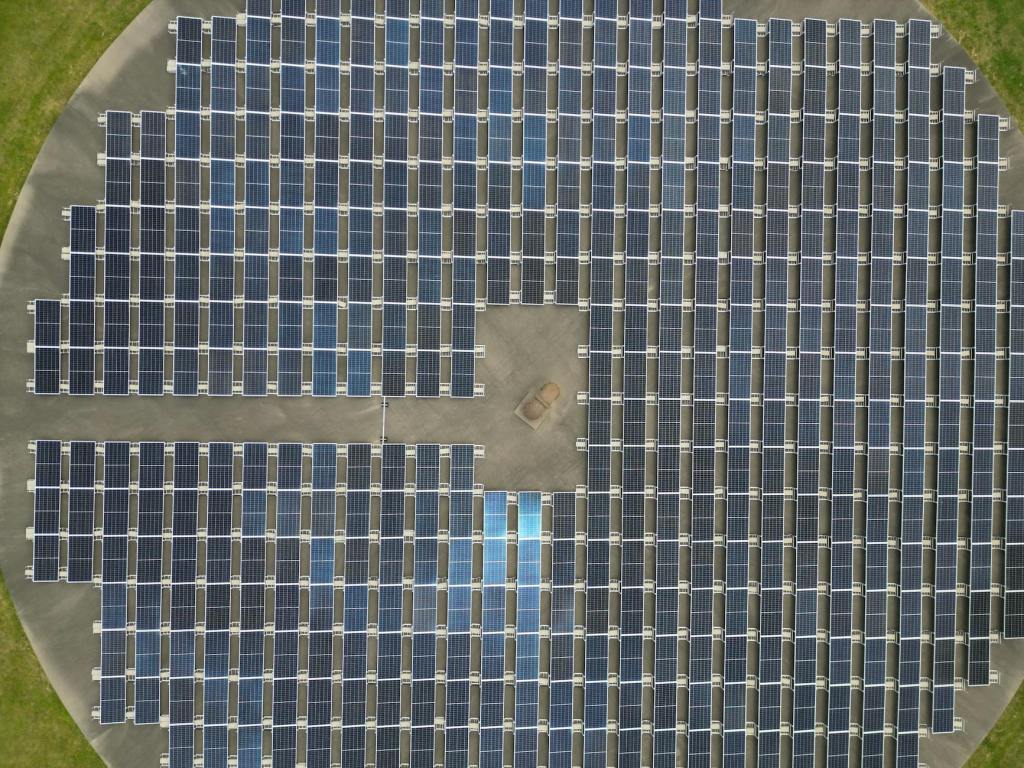
PowerBank Corporation, a provider of North American energy infrastructure development and asset ownership, has shared an update on the final commissioning of the cutting-edge SFF-06 Battery Energy Storage System (BESS) project in Ontario, Canada. The project will include 4.99 MW of energy storage.
The SFF-06 Project is in the final stages of “hot” commissioning with EVLO. The commissioning of the SFF-06 Project includes several milestones with technical partners to ensure safe installation, interconnection and commissioning with the Hydro grid for the nine EVLO Battery Containers. PowerBank is anticipating the Commercial Operation date for the SFF-06 Project to occur during January 2026, subject to the receipt of all necessary commissioning approvals. This project will be PowerBank’s first operational battery energy storage project.
SFF-06 is owned by 1000234763 Ontario, in which PowerBank holds a 50% stake, with the remaining 50% owned by a partnership of First Nations communities in Ontario.
Acquired through PowerBank’s USD 45 million valued acquisition of Solar Flow-Through Funds in July 2024, this project positions the company in a battery storage market projected to increase to USD 31.2 billion by 2029, growing at a 16.3% CAGR, according to Fortune Business Insights.
The project qualifies for the 2024 Clean Technology Investment Tax Credit, offering up to 30% reimbursement of eligible capital costs. This refundable credit enhances SFF-06’s financial performance while aligning with PowerBank’s mission to accelerate renewable energy adoption through strategic government incentives.
In July 2023, SFF-06 secured a 22-year contract through the Independent Electricity System Operator’s (IESO) Expedited Long-Term RFP (E-LT1 RFP). With a fixed capacity payment of USD 1,221/MW per business day—well above the $876/MW average for storage projects—this contract ensures strong financial returns.
Project Risks – There are several risks associated with the development of the Project. The commercial operation of the Project is subject to receipt of final technical and regulator approvals; and the degradation of battery storage capacity can occur over time based on the number of discharge cycles. In addition, governments may revise, reduce or eliminate incentives and policy support schemes for battery energy storage, which could result in future projects no longer being economic.
Disclaimer – The details expressed in this post are from the companies responsible for sending this post for publication. This website doesn’t endorse the details published here. Readers are urged to use their own discretion while making a decision about purchasing or using a product/service related to this company, or using this information in any way. There has been no monetary benefit to the Publisher/Editor/Website Owner for publishing this post and the Website Owner takes no responsibility for the impacts of purchasing or using these products/services on the reader, or using this information in any way.
 News and Opinions...