
From News Desk
Flint, the Singapore-based deep tech company pioneering sustainable, cellulose-based, biodegradable, PFAS-free batteries, has announced that its paper battery technology has entered production, marking the transition from lab-scale development to manufactured cells ready for pilot deployments and customer programmes.
Production begins in Singapore as Flint scales lower-carbon, cellulose-based batteries and expands pilots with global brands ahead of CES 2026.
With production now live in Singapore, Flint is supplying manufactured battery cells that are rechargeable, non-toxic and engineered for safer use (non-flammable, non-explosive) for customer pilots and early commercial integrations. The company is bringing two battery products to the market, with full product details and real-world demonstrations scheduled to be revealed at CES 2026.
“Reinventing batteries isn’t only about chemistry, it’s about building something you can manufacture,” said Carlo Charles, Founder and CEO, Flint, named to Forbes’ “30 under 30 Asia 2025” in Industry, Manufacturing & Energy. “Entering production is a turning point because it means our paper batteries can move beyond prototypes and into real devices, at real volumes, with quality controls that customers can validate.”
Water-Based Manufacturing Methods in New Facilities
Flint’s production line is purpose-built around its proprietary cellulose-based battery architecture and uses water-based manufacturing methods designed for safety and scalable output. The facility is designed to reduce reliance on traditional battery materials such as lithium, nickel, cobalt and lead, while enabling lower-carbon manufacturing and improved end-of-life options under controlled conditions.
To support this transition, Flint has expanded into a new 8,000+ square foot facility that serves as a hub to pilot new processes, scale manufacturing and continue R&D into next-generation battery architectures as the company expands capacity.
“Starting production in Singapore was an intentional choice,” Charles added. “It shows the world that there’s a credible path to making batteries without relying on the same centralised lithium supply chains the industry has depended on for decades. Our technology is designed to be manufactured closer to where products are used, and Singapore gives us the infrastructure to prove that at production scale.”
Flint’s move into production elevates global visibility for the company’s approach to safer, lower-carbon energy storage. Following the award, Flint experienced a rapidly expanding commercial pipeline.
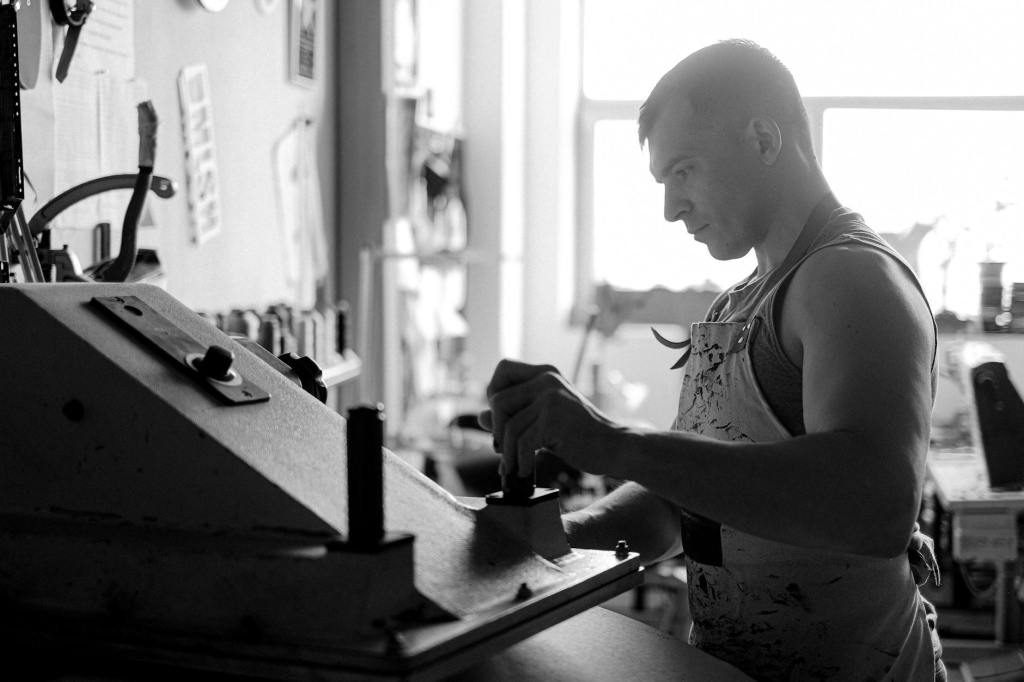
Photo courtesy – Anna Shvets/Pexels.com
Disclaimer – The details expressed in this post are from the companies responsible for sending this post for publication. This website doesn’t endorse the details published here. Readers are urged to use their own discretion while making a decision about purchasing or using a product/service related to this company, or using this information in any way. There has been no monetary benefit to the Publisher/Editor/Website Owner for publishing this post and the Website Owner takes no responsibility for the impacts of purchasing or using these products/services on the reader, or using this information in any way.
 News and Opinions...