
From News Desk
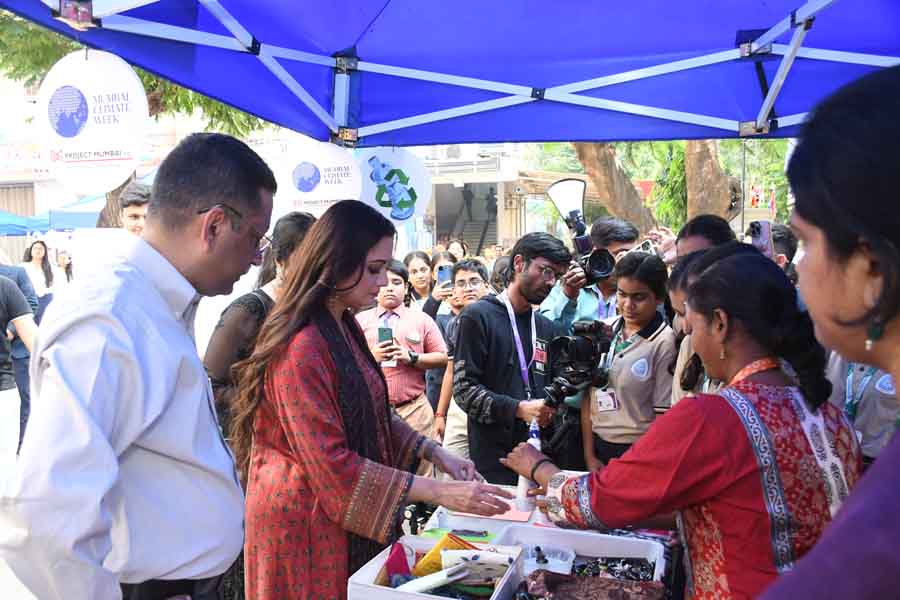
Project Mumbai hosted the Zero Waste Schools Sustainability Mela 2025, a vibrant, youth-led climate action festival titled “Hope in Action – Youth for a Climate-Resilient Mumbai” that brought together over 30 schools, educators, civic leaders, environmentalists and hundreds of enthusiastic student changemakers. Designed as a bridge between classroom climate initiatives and the upcoming Mumbai Climate Week 2026, the Mela showcased how hands-on sustainability can ignite real behavioural change across the city.
The heart of the Mela came alive through three simultaneous hands-on workshops on Sustainable Gift Wrapping, Green Reading and Plastic-Free Décor, paired with a buzzing exhibition zone. Students explored ten interactive sustainability game stalls, circular economy showcases, NGO booths and four Project Mumbai stalls that demonstrated composting, recycling, upcycling and low-waste living. The experience demonstrated how sustainability becomes exciting and accessible when students learn by doing.
In the afternoon, the audience was inspired by a keynote address from Yusuf Kabir, WASH CCES Specialist at UNICEF India, whose decades of work in WASH, climate adaptation and public health deeply resonated with the young crowd. This was followed by the first panel discussion, moderated by youth environmentalist Rahul Bagwe, featuring Level 2 school students who spoke candidly about their climate initiatives and the challenges and opportunities of building greener school communities.
The highlight of the day was the youth conversation with Chief Guest Dia Mirza, UN Environment Goodwill Ambassador. She engaged directly with students in a powerful panel on climate responsibility, followed by a heartfelt townhall-style address. Her message underscored the belief that young people are not just the leaders of tomorrow—they are the leaders of today, shaping the city’s climate future with courage and clarity.
The Mela also celebrated student and school achievements through an awards ceremony recognising 9 Level 2 schools, 20 Level 1 schools and 20 facilitators who have demonstrated exceptional commitment to the Zero Waste Schools Programme. These recognitions affirmed the progress of schools transitioning into zero-waste zones through composting, segregation, plastic recycling, and student-led climate initiatives.
Disclaimer – The details expressed in this post are from the companies responsible for sending this post for publication. This website doesn’t endorse the details published here. Readers are urged to use their own discretion while making a decision about using this information in any way. There has been no monetary benefit to the Publisher/Editor/Website Owner for publishing this post and the Website Owner takes no responsibility for the impacts of using this information in any way.
 News and Opinions...