From News Desk
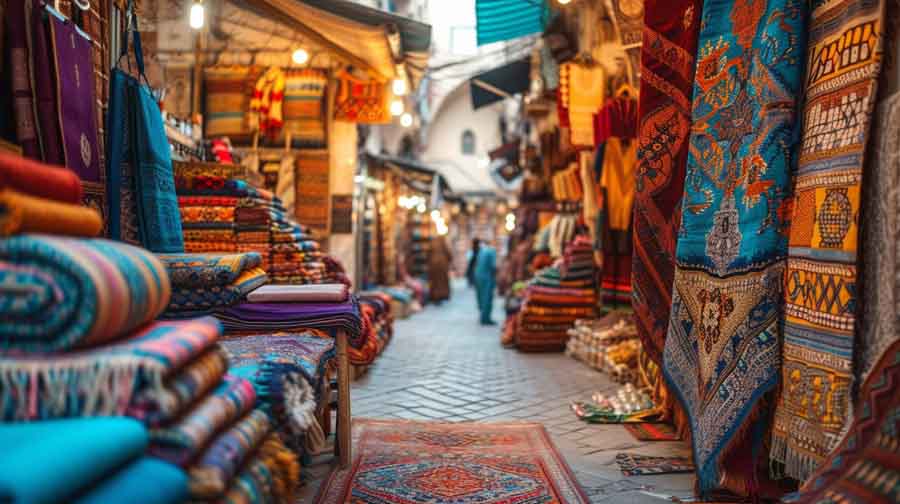
On World Tourism Day, global attention turns toward a frequently overlooked yet essential component of the travel experience – artisans. As tourism continues to evolve in a post-pandemic world, industry leaders and cultural organisations are emphasising the importance of integrating artisan communities into the global tourism value chain.
Tourism represents one of the largest voluntary transfers of wealth across borders, offering opportunities for economic inclusion. However, many artisan communitie — particularly in remote or rural areas — remain excluded from the mainstream tourism economy. Despite creating culturally rich and authentic goods, many artisans earn as little as $3 per day, while mass-produced souvenirs dominate tourist marketplaces.
The Artisanal Collective, a global initiative focused on empowering creative economies, marks this World Tourism Day with a renewed call to action. The organization advocates for the use of digital tools, ethical distribution systems, and modern e-commerce platforms to connect artisans with travelers and global consumers. When integrated effectively, such models can help local creators participate meaningfully in the tourism economy while preserving cultural heritage.
“Artisans represent the soul of a destination,” said Charles Kao, Founder and Chairman of the Artisanal Collective. “Their stories, skills, and traditions are not only central to the authenticity travelers seek, but also essential to ensuring that tourism contributes to sustainable development.”
The growing demand for authentic, immersive experiences has shifted attention toward lesser-known destinations — from island villages to mountain hamlets. These locations, once considered too remote for traditional tourism investment, are increasingly valued for their natural beauty and cultural richness. Visitors to these areas often seek handmade crafts, local performances, and storytelling experiences that reflect the unique identity of a place.
This shift presents a significant opportunity. By supporting artisan communities, tourism stakeholders can help decentralize travel patterns, reduce the environmental and social impact on high-traffic destinations, and distribute economic benefits more equitably. In doing so, tourism becomes regenerative rather than extractive.
The Artisanal Collective’s model blends cultural preservation with entrepreneurship. Through AI-driven training programs, diaspora partnerships, and scalable digital platforms, the organisation helps artisan communities access new markets and develop sustainable livelihoods without compromising cultural integrity.
Preserving intangible cultural heritage is not only vital for communities but also enhances the value of the travel experience. Revived traditions — whether through dance, music, or craft — strengthen cultural pride and offer visitors meaningful engagement with local heritage.
As the global tourism sector looks to rebuild and reimagine its future, artisan integration stands out as both a strategic and ethical imperative. Aligning tourism growth with cultural sustainability ensures long-term value for travelers, hosts, and the industry at large.
Disclaimer – The details expressed in this post are from the companies responsible for sending this post for publication. This website doesn’t endorse the details published here. Readers are urged to use their own discretion while making a decision about purchasing or using a product/service related to this company, or using this information in any way. There has been no monetary benefit to the Publisher/Editor/Website Owner for publishing this post and the Website Owner takes no responsibility for the impacts of purchasing or using these products/services on the reader, or using this information in any way.


 Global Perspectives...