
From News Desk
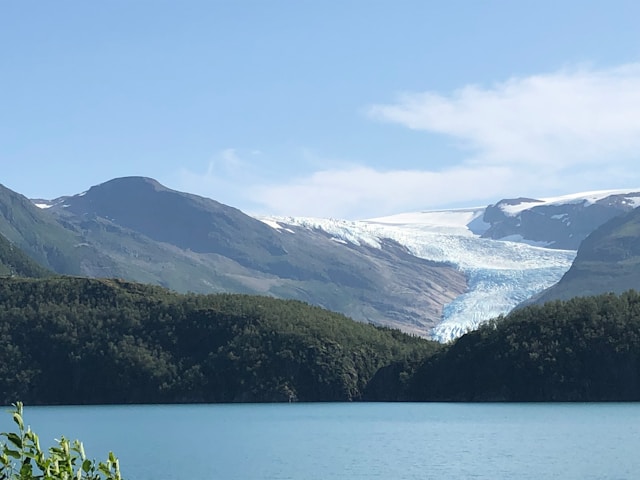
Photo courtesy – Julia Monika Nilsen/Unsplash
Yala glacier in the Hindukush range of Himalayas in Nepal has shrunk to 66% and has been declared dead. Earlier it was estimated that it would disappear by 2040. This shrinking of glacier is being seen as an adverse effect of climate change.
It has retreated 784M since it was first measured in the 1970s is projected to be among the first Nepali glaciers to join the growing numbers of glaciers declared ‘dead’ worldwide.
Yala is one of just seven glaciers in the entire 3,500km-long arc of the Hindu Kush Himalayas to have been monitored annually for a decade or more and it is one of 38 glaciers with in-situ measurements, providing crucial data on the speed and extent of losses.
Earth’s mountains have lost close to nine trillion tonnes of ice since records began in 1975 – the equivalent of a 2.72-metre thick block of ice the size India. On current melt rates, many glaciers worldwide will not survive the 21st century.
Shyam Saran, former foreign secretary and special envoy for and chief negotiator on climate change for India, who attended the Government of Nepal’s Sagarmatha Sambaad event said, “I’ve trekked the mountains of the Himalayas for decades. The pace and scale of the deglaciation and loss of snowpack happening now, and which I’ve seen with my own eyes, is truly breathtaking.”
 News and Opinions...