
From News Desk
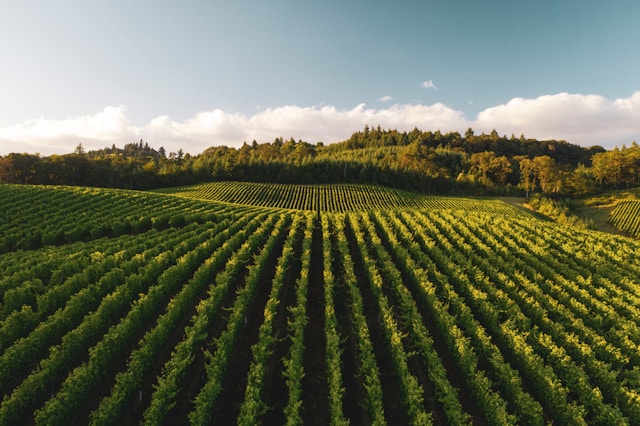
Photo courtesy – Dan Meyers/Unsplash
The Humane Foundation, located in UK, has launched a new campaign, “The Earth Can’t Take It Anymore,” exposing the devastating environmental consequences of factory farming. Drawing from evidence, the campaign reveals how industrial animal agriculture is a leading driver of climate change, deforestation, water pollution and biodiversity loss – all while inflicting immense suffering on billions of animals.
The campaign warns that intensive animal agriculture, commonly referred to as factory farming, is driving significant environmental degradation and accelerating global ecological instability.
“Our current food system is reliant on industrial-scale cruelty and environmental destruction,” said A. Roghani, Executive Director of the Humane Foundation. “It is not only the animals who suffer under this model – our planet, and future generations, are paying the price.”
Pigs, chickens, and cows are confined in extreme conditions, deprived of natural behaviors, and slaughtered at a scale that prioritizes efficiency over welfare.
“The same industrial model that disregards animal life is pushing our environment to the brink,” Roghani added. “This is a wake-up call for policymakers and consumers alike.”
Strategic Recommendations for Systemic Change
In response, the Humane Foundation is advocating for the following actions –
- Phase out subsidies for industrial animal agriculture and redirect public funding to sustainable plant-based and regenerative farming systems.
- Introduce regulatory frameworks that address environmental damage and animal cruelty in agricultural operations.
- Promote public education around the environmental and ethical costs of factory farming.
- Recognise animals as sentient beings in law and policy to reflect their capacity for suffering and emotional experience.
- Individual Action and Public Engagement
- The Foundation encourages members of the public to take meaningful action, including – Reducing or eliminating consumption of animal products.
Supporting plant-based and ethically produced alternatives.
Advocating for political change that aligns agriculture with climate goals and compassion.
 News and Opinions...