
From News Desk
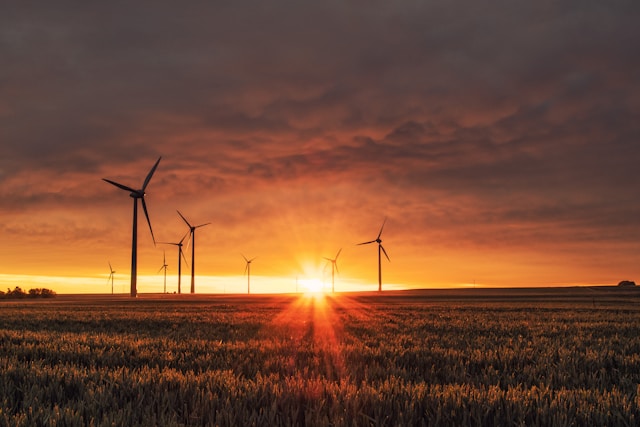
Photo courtesy – Karsten Würth/Unsplash
On April 28th, over 55 million people in Spain, Portugal and the Iberian Peninsula were plunged into a blackout – the largest in European history. Hospitals dimmed. Trains stopped. Stores and communication networks went silent. The incident didn’t happen in fossil-fueled nations clinging to outdated grids. It happened in two of the most renewable-powered countries in Europe.
And that’s what makes it so alarming. This wasn’t a one-off technical glitch or localized weather event. It was a systemic failure – a flashing red light on the dashboard of global energy transition efforts. And it sent a clear message: we can’t rely on renewables alone.
The promise of solar and wind is undeniable, but when the infrastructure to store and stabilize that power is missing, the risk is not theoretical. It’s immediate, and it’s devastating.
The Clean Energy Paradox
As countries race to decarbonise, many discover the same painful reality – clean energy isn’t always available when needed. Sunlight fades. Wind dies down. And when demand spikes – as it did across the Iberian Peninsula – there’s no buffer to catch the fall.
Thermal energy storage (TES) systems don’t rely on massive battery banks or rare-earth materials.
Instead, they store excess renewable power as heat inside crushed rocks – modular, scalable and emission-free systems that release energy on demand.
What Went Wrong in Europe – And Why It Could Happen Anywhere
Let’s not sugarcoat the issue. The blackout in Spain and Portugal wasn’t caused by shortcomings in wind turbines or solar panels. It was caused by the lack of support systems behind them – the grid couldn’t adapt to having too much and then too little power. In other words, it couldn’t balance, shutting down instead of managing the power when and where it was needed most.
This same fragility exists in energy systems across the globe. The next crisis could erupt in California, India, or Australia. The pressure to decarbonize is universal, but few governments pair ambition with the infrastructure required to back it up.
Behind the Technology, a Smart Engine
It’s a capital strategy that delivers –
Recurring licensing revenue
Low operating overhead
Faster time to profitability
Protection of equity value as the company scales
In a field crowded with speculative clean-tech startups, this approach is refreshingly grounded – growth through discipline, not dilution.
The Stakes Are Rising
There’s no sending the genie back in the bottle. Climate targets are locked in. Fossil fuel plants are being phased out. But the clean energy transition can’t afford to stumble – not when the consequences are entire nations going dark
Because when the next blackout comes – and it will – the only question that matters is: Can we keep the lights on?
 News and Opinions...