
From News Desk
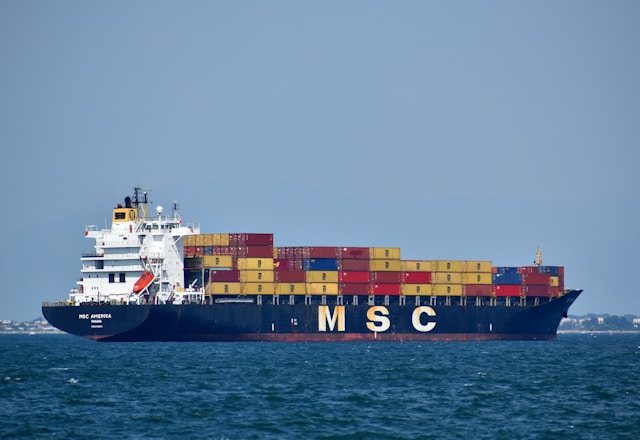
Photo courtesy – Athanasios Papazacharias/Unsplash
After years of intense negotiations, the International Maritime Organisation (IMO) has reached an important step in the direction of establishing a legally binding framework to reduce greenhouse gas (GHG) emissions from ships globally, aiming for net-zero emissions by 2050.
IMO is committed to supporting UN Sustainable Development Goal 13 – to take urgent action to combat climate change and its impacts – and the Paris Agreement by reducing greenhouse gas (GHG) emissions from shipping.
The resolution will apply to large ocean-going vessels over 5,000 gross tonnage, which collectively account for 85 per cent of carbon dioxide emissions from the marine shipping fleet.
“The approval of draft amendments to MARPOL Annex VI mandating the IMO net-zero framework represents another significant step in our collective efforts to combat climate change, to modernize shipping and demonstrates that IMO delivers on its commitments,” said IMO Secretary-General Arsenio Dominguez.
According to media reports, around a dozen countries – including the United States – were opposed to the framework. The proposal was ultimately put to a vote and passed.
The framework introduces a dual approach: a global fuel standard that will progressively lower the annual greenhouse gas fuel intensity of marine fuels, and a greenhouse gas pricing mechanism requiring high-emitting ships to pay for their excess pollution.
Under the new system, ships that exceed emissions limits will need to acquire remedial units to offset their excess pollution. Meanwhile, vessels operating with zero or near-zero emissions will be eligible for financial rewards, creating a market-driven push toward cleaner maritime transport.
A key element of the new framework is the IMO Net-Zero Fund, which will collect revenues from the carbon pricing mechanism.
 News and Opinions...